Our Founding Story
MFMD started with a simple operational question.
Russell Oliver—a U.S. Army Special Forces 18B Weapons Sergeant—asked why suppressors were still built around baffled designs that hadn’t fundamentally changed since Hiram Maxim. Those systems reduced sound, but at a cost: backpressure, gas to the face, reliability issues, and degraded weapon performance.
In 2007, Russ began developing a different approach—one that didn’t trap gas, but captured, controlled and redirected it forward and away from the shooter. The goal wasn’t just suppression. It was better weapon performance, reduced shooter exposure, and improved reliability under sustained fire.
That work led to the founding of Operators Suppressor Systems (OSS) and, in 2012, a patent for an energy-capture and control device unlike anything on the market. Instead of containment, suppression became a problem of energy and flow management. That shift changed the trajectory of the industry and established Russell as the godfather of baffleless free-flowing, forward-venting signature suppression.
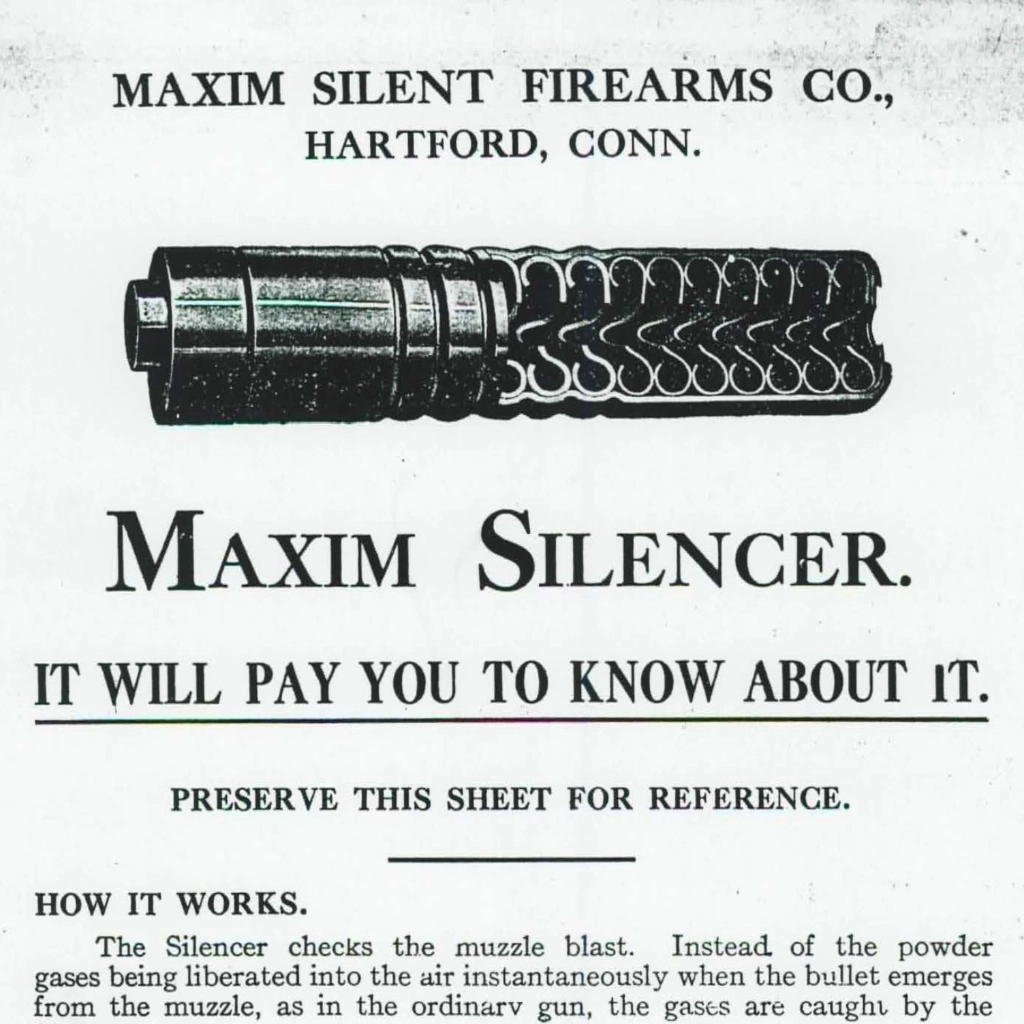
1909
Baffle Suppressor Invented

2005
Russell in the Special Forces
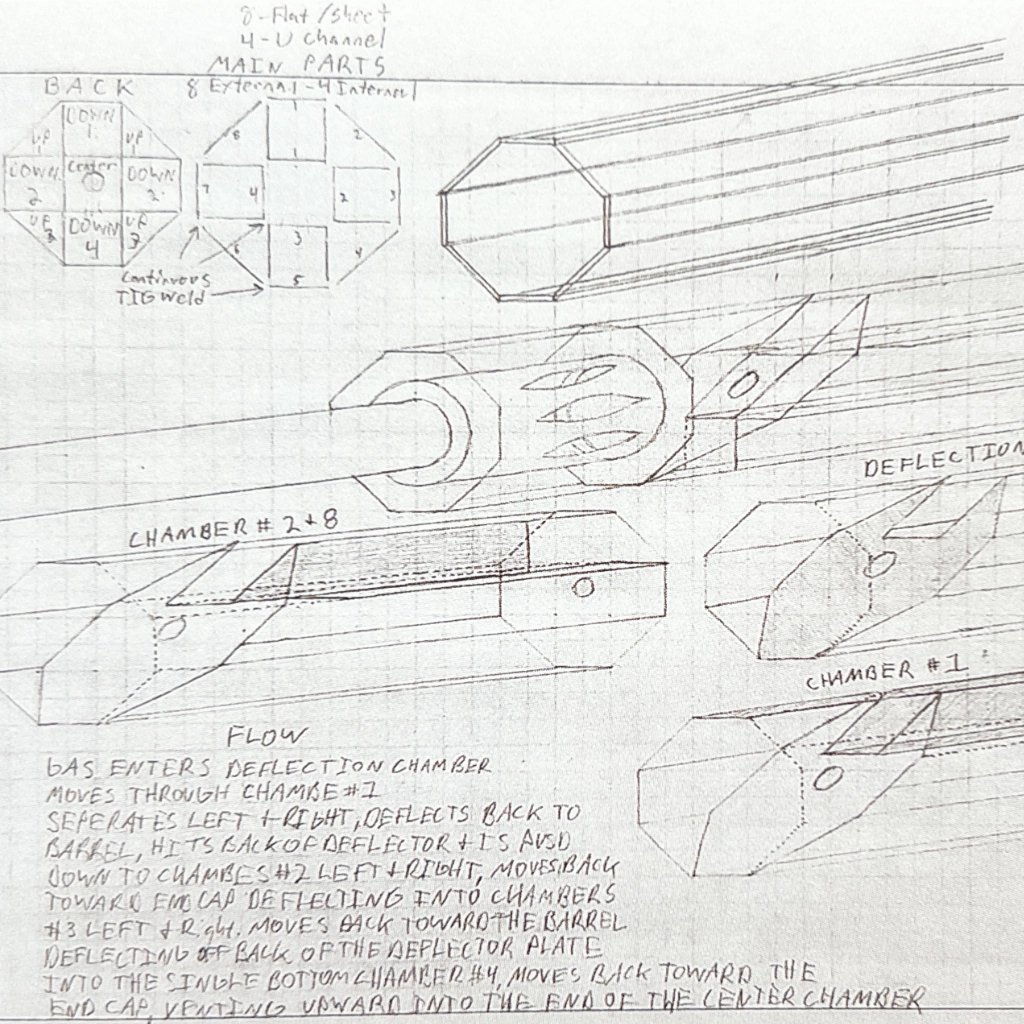
2007
First Baffleless Suppressor Design
Years of continued refinement followed—treating sound, recoil, and gas behavior as a single physics problem rather than separate accessories.
The MFMD was the next step.
It did not originate as a commercial product. It originated from a formal operational requirement.
In March 2022, the Irregular Warfare Technical Support Directorate (IWTSD) issued a Broad Agency Announcement identifying a critical gap: the need for a single, integrated muzzle-end solution capable of reducing flash, managing recoil, and suppressing sound without adding length, weight, or new trade-offs.
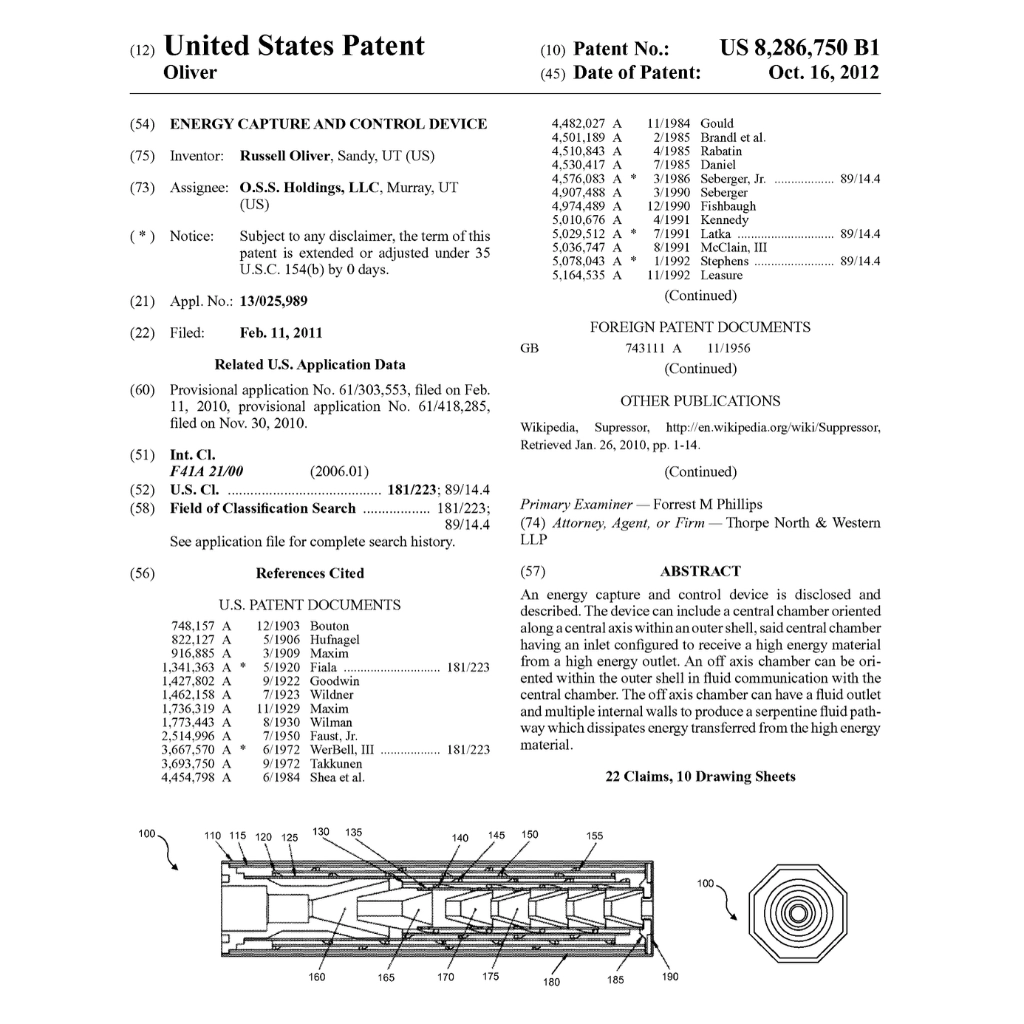
2012
First Baffleless Suppressor Patent
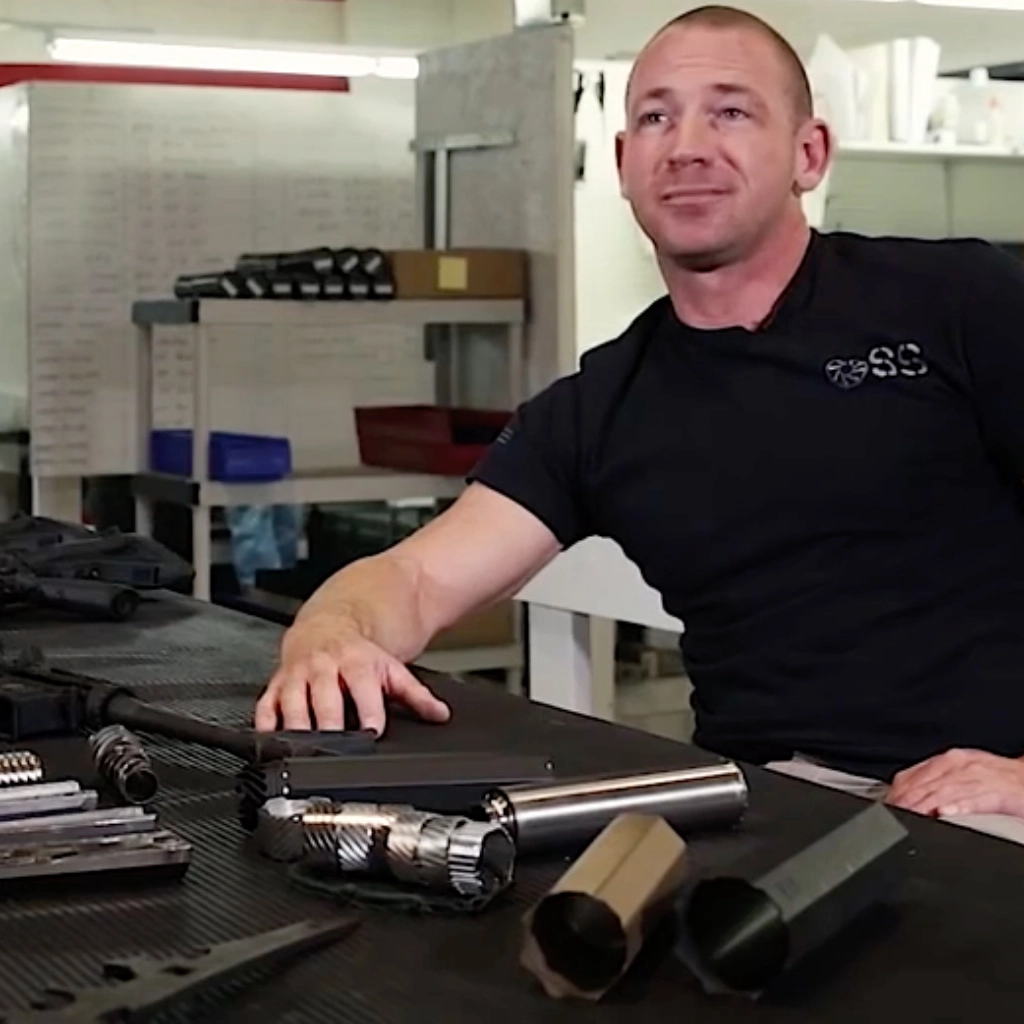
2007–2016
Russell Creates Operators Suppressor Systems (OSS) To Commercialize Baffleless Suppressors
2016–Present
MFMD Becomes The Next Evolution In Baffleless Suppression
IWTSD requirements are driven by real constraints—detectability, survivability, sustainment, and interoperability. MFMD applied decades of energy-control development to meet that need.
The result is not an accessory.
It is a signature-management architecture designed for sustained operational use.